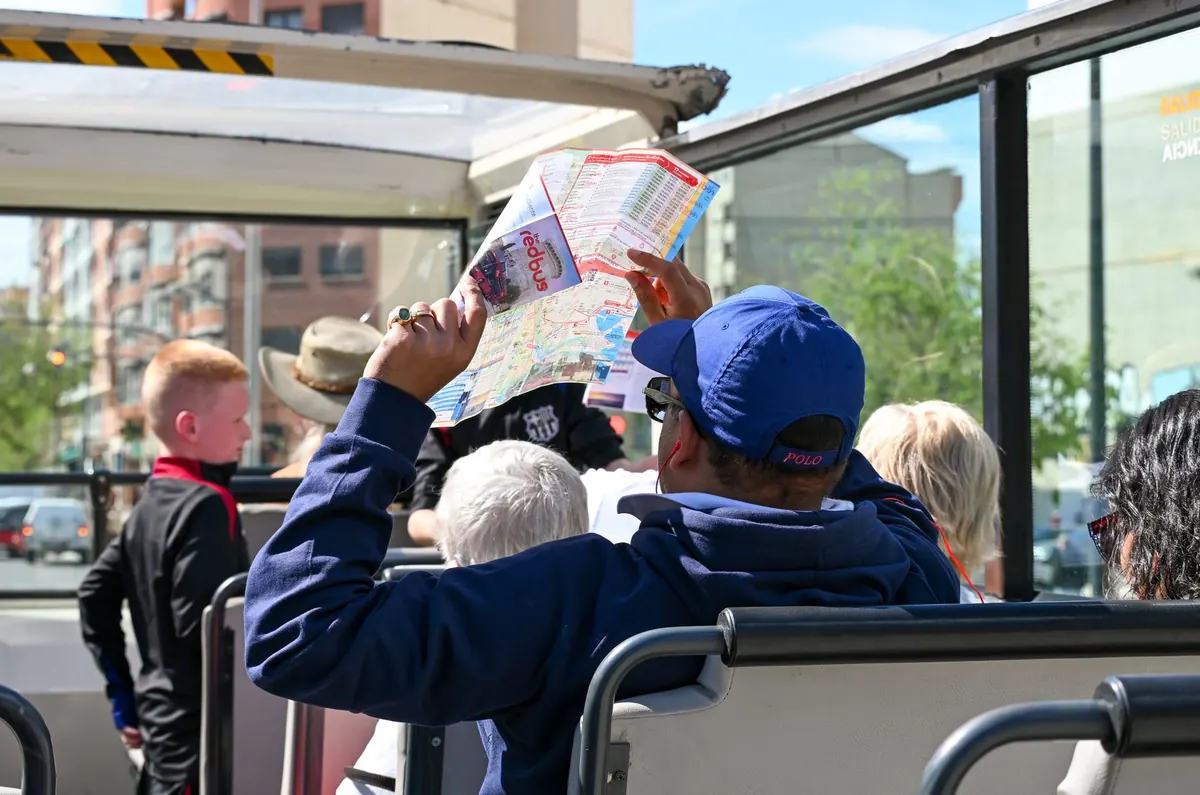
Should You Book Tours Before You Arrive or On the Ground?
You know the scene. You've been somewhere for four days, the trip is half gone, and there's one thing you really came for — the mountain, the reef, the old city at dawn. Now you're standing in a hostel common room with a phone in one hand and three business cards in the other, trying to work out whether the tour that leaves at 5 a.m. tomorrow is worth the money. Meanwhile, a small voice asks: why didn't I sort this out before I left?
Prebooking and on-the-ground booking aren't opposites, and neither is automatically smarter. They solve different problems. The trick is knowing which one you're actually facing.
What Booking Ahead Actually Buys You
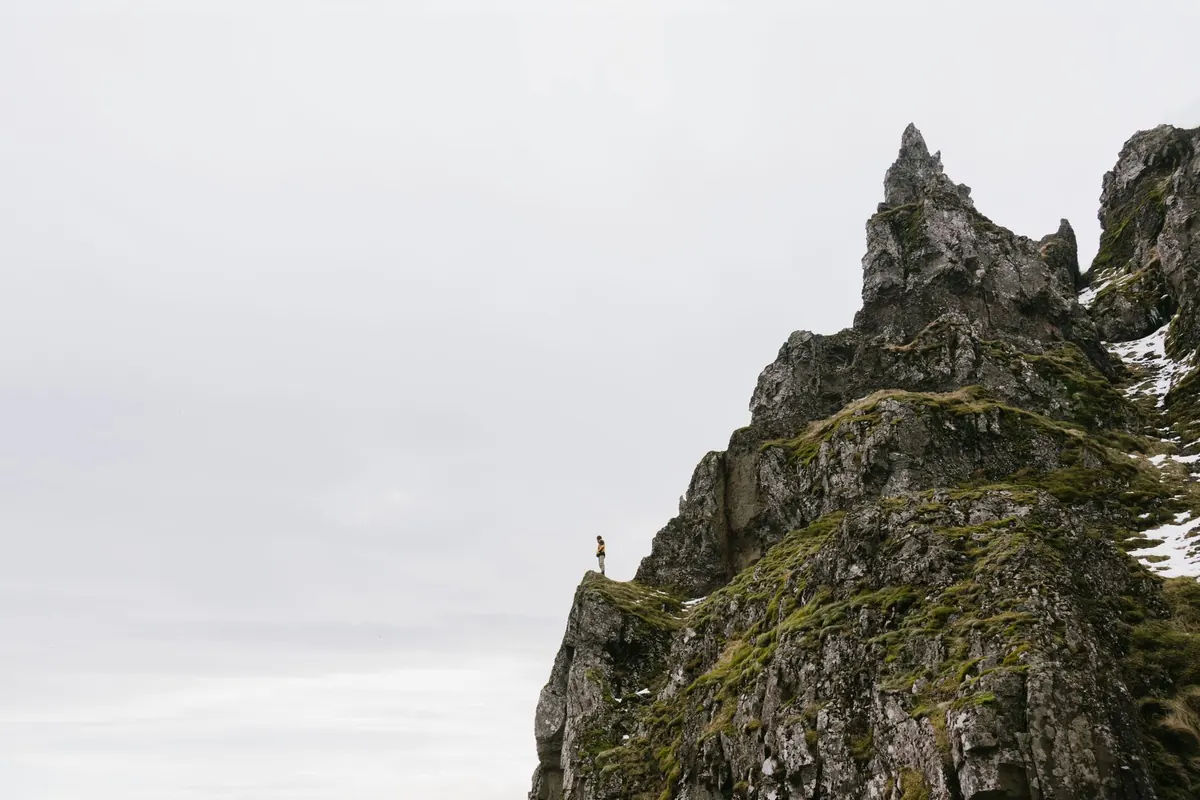
The clearest thing you buy before departure is certainty. Some experiences are genuinely capacity-limited, and no amount of charm at the desk will get you a spot. Permits with daily quotas, multi-day treks with a fixed number of licensed guides, small-group cooking classes, sunrise entries, single-daily boat departures, anything involving gear in your size — these can sell out days or weeks ahead, especially in high season.
You also buy time. Researching, comparing, messaging operators and haggling eats into evenings you could spend eating something excellent. Booking two or three big things before you fly means the rest of the trip runs on curiosity rather than admin.
And you buy a paper trail. Reputable companies have cancellation policies, contact numbers and a reputation to protect. That matters when a flight is delayed or the weather turns and you need to move a booking.
The cost is commitment. You've paid, the date is fixed, and if the forecast is terrible or you meet people heading somewhere better, you either go anyway or write off the money.
Where Booking On the Ground Wins
Locally arranged tours shine in three situations: when supply is plentiful, when weather decides your plans, and when your itinerary is still moving.
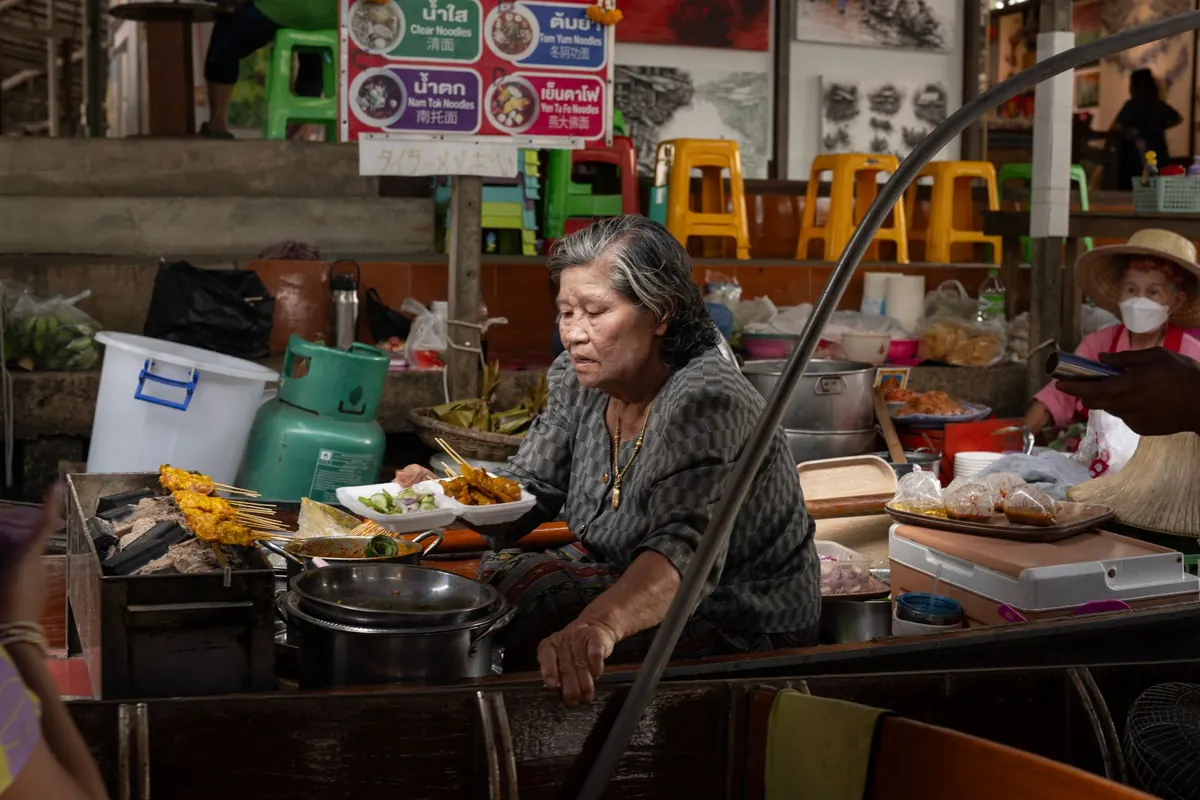
If a city has fifteen companies running the same day trip, you're holding the cards. Walk-up rates can be lower than online prices, particularly in shoulder season, midweek, or when a van has four empty seats and a departure in ninety minutes. You can also see who you're dealing with, ask blunt questions, and compare two or three operators in an afternoon.
Flexibility matters most for anything weather-dependent. Booking a cable car, a coastal hike or a boat trip three weeks out is a gamble on conditions you can't see yet. On the ground, you can watch the forecast and take the clear day, then fill the cloudy one with a museum or a market.
The risks are real, though. Popular options disappear during school holidays and local festival weeks. Desk-side prices can be inflated by commission if you book through a hotel or hostel. And the slickest sales pitch is rarely the best-run operation.
The Price Question: Cheaper Isn't Always Cheaper
It's tempting to assume online is pricier because of platform commission, or that direct is pricier because there's no competition. Both can be true. Bulk-bought seats sometimes undercut walk-up rates; a local operator quoting a walk-in price may come down if you ask politely and pay in local currency.
Compare like for like before you decide. Group size, entry fees, transport type, meals, water, gear, guide language and whether hotel pickup is included all change the value. A cheaper trip squeezed into a minibus with twenty-five people is a different product from a small group with a guide who actually talks.
Ask what happens if the tour is cancelled for weather, and get the answer in writing — a message is fine. Where money is involved, keep deposits traceable and avoid handing over large amounts of cash to an operator with no paperwork; that's standard caution, not a substitute for proper financial advice.
Availability and Seasonal Demand
Think in categories rather than destinations:
- Book well ahead: permit-based routes, single-departure experiences, small-group classes, anything in peak holiday weeks or around major festivals, and the thing that is the entire reason for your trip.
- Book a few days out: popular day trips in high season, guided city walks with good reputations, dinner-and-show style experiences.
- Leave open: commodity day tours with many operators, hop-on hop-off transport, boat trips that run several times daily, spontaneous food and market walks.
As a rough guide, two weeks ahead is plenty for most standard tours; the exceptions are the famous capacity-limited ones, which can need months. If you're travelling in a peak window, add buffer to everything.
The Hybrid Approach Most Travellers Settle On
Book two or three anchors before you leave: your arrival transfer, anything with a permit or a hard cap on numbers, and one experience you'd be genuinely upset to miss. Leave the rest.
Then keep a short list. Note two or three operators for each unbooked idea, save their names, and set a personal decision day — usually 48 hours before you'd want to go. Check the weather, check availability, then commit or drop it. That single rule prevents both panic bookings and the slow drift into doing nothing.
How to Vet a Local Operator in Ten Minutes
- Ask exactly what's included: entry fees, meals, water, equipment, insurance, pickup.
- Ask the maximum group size and how many people are confirmed so far.
- Ask who the guide is and whether they're licensed or locally certified.
- Read recent reviews on more than one platform, and pay attention to the middling ones.
- Confirm meeting point, start time and cancellation terms in writing.
- Pay a deposit by card when you can, rather than the full amount in cash.
- Walk away from hard-sell pressure. Good operators don't need it.
For anything with real risk attached — altitude, diving, remote trekking, wildlife — check that your travel insurance actually covers the activity, and ask about the operator's safety record and licensing. A bargain isn't a bargain if you're uninsured when something goes wrong.
A Simple Rule to Take With You
If it's capacity-limited, or it's the reason you booked the flight, reserve it before you go. If ten operators run the same tour and the weather calls the shots, wait and choose in person. Everything in between, decide about 48 hours out with one eye on the forecast. You'll spend less time at a desk and more time actually doing the thing you came for.
Photo: Lorna Pauli / Pexels