Why Your Travel Insurance Might Not Cover Adventure Activities
You did not book that trip to sit by the pool. You booked it for the ridge line, the powder, or the reef at 22 metres. Then, at the checkout screen, you ticked the box for travel insurance and assumed the whole holiday was covered.
Usually, it is not. Standard travel insurance is built around the average holiday: flights, luggage, a stomach bug, maybe a twisted ankle on a paved path. The moment an activity carries a real chance of injury, or needs a helicopter to reach you, it tends to move onto a separate list with its own conditions. Those conditions are not impossible to meet. They just have to be met before you fly, not after something goes wrong.
What insurers mean by "adventure"
An insurer's definition rarely matches how an activity feels to you. A guided day hike on a marked trail is a hike. The same trail in winter, with crampons and an ice axe, is mountaineering, and it will be treated as a different thing entirely.
Policies generally cover what they call usual holiday activities: swimming, sightseeing, tennis, a gentle cycle along a flat path. Everything else sits in one of three places. It is either named as covered, named as covered only with an add-on, or listed under exclusions. If an activity is not mentioned anywhere, treat it as uncovered until the insurer tells you otherwise in writing.
Three details usually decide which side of the line you fall on:
- How you do it. Guided, on a marked route and within your qualification is treated very differently from solo and off-trail.
- How high or how deep. Altitude and depth limits are common, and they are numbers in the wording rather than vague guidance.
- Why you are doing it. Many policies exclude activities where you are racing, competing, or being paid to take part.
Where cover most often stops
Hiking, trekking and anything with a rope
Walking is often covered as standard, but the wording frequently adds a ceiling: up to 2,000 metres, 3,000, or 4,000, depending on the insurer. Above that, on a glacier, or on a route graded as technical, you drop out of standard cover. Via ferrata, climbing, scrambling and ice climbing usually sit in their own category and need their own extension. Check too whether the policy requires a qualified guide, because several mountain policies do, and an unguided day can void an otherwise valid claim.
Snow sports
Skiing and snowboarding are almost never included in a basic policy. You buy a winter sports extension, and that extension arrives with its own rules. Off-piste is the usual sticking point: some insurers cover it only inside the resort boundary, some only with a guide, some not at all. Heli-skiing, ski touring, snowmobiling and racing are typically excluded or need a specialist policy. Look at what the extension actually pays for, not just the headline. Mountain rescue cover and piste closure are worth more than you might think when a storm shuts the lifts for three days.
Diving and water sports
Scuba diving is usually covered to a depth limit, often 18 or 30 metres, and normally only if you are certified, diving with a buddy, and staying within what your qualification allows. Cave diving, wreck penetration, decompression diving and solo diving are commonly excluded. Surfing, kitesurfing, jet skiing and whitewater rafting may be covered by name, excluded outright, or covered only up to a certain river grade. Read past the summary.
Two wheels and engines
Renting a scooter on a beach road is the classic trap. Many policies exclude motorcycling unless you hold the licence the country requires and were wearing a helmet, and some require a full motorcycle licence rather than a car licence. Mountain biking, downhill riding, quad bikes and high-powered e-bikes each land in different places depending on the insurer. Check the wording for the words "motorised" and "powered" before you assume a bike is a bike.
The pattern behind all of this is straightforward. Insurers price the risks they can measure. Altitude, depth, gradient, guide, licence and the likelihood of a long evacuation are all things they can put a number on. Anything they cannot price, they exclude.
How to check a policy in ten minutes
- Open the full policy wording, not the two-page summary. The summary sells; the wording is what pays.
- Find the activity list. It is usually an appendix with columns for covered, covered with an extension, and not covered.
- Search the document for these words: altitude, depth, off-piste, guided, professional, racing, competition, winter sports, mountaineering.
- Read the general exclusions as well. Being under the influence, ignoring an official warning such as an avalanche bulletin, or travelling against medical advice can kill a claim even on a covered activity.
- Check the medical and evacuation limits, and whether rescue from a remote valley or from open water is included.
- If anything is unclear, email the insurer with your exact plan. Something like "guided trek to ABC, maximum altitude 4,100 metres, no ropes, no glacier" is specific enough to get a useful answer. Save the reply.
Choosing the right add-on
Buy the extension before you leave. Most insurers will not add activity cover once the trip has started, and none will add it after an incident. Add it at the same time as the base policy if you can, and check the dates cover the whole time you are away, including the travel days at each end.
Do the arithmetic rather than assuming. A base policy plus two or three add-ons can cost more than a specialist adventure policy that covers everything in one go. If you take several trips a year, an annual multi-trip policy with a winter sports extension is often the simpler and cheaper route. If you are travelling with a guided company, ask what they require; some operators ask for proof of rescue and evacuation cover before they will take you on the mountain.
Questions worth putting to any insurer or broker:
- What maximum altitude, depth or river grade is covered?
- Is a guide required, and does the guide need a specific qualification?
- Does it cover search and rescue, and evacuation from a remote area?
- Does it cover the activity when it is the main purpose of the trip, rather than just an afternoon out?
- Are racing, competition or paid work excluded?
- What is the excess, and what is the overall medical limit?
Policy terms and consumer protections vary by country, so if the sums at stake are large, it is worth talking to a broker or adviser who deals with adventure travel rather than guessing from a website comparison table.
If something goes wrong and you are not sure you are covered
Get treatment first and sort out paperwork afterwards. Call the insurer's emergency line before you agree to expensive transport where that is practical, and keep every receipt, incident report, police report and evacuation document. If you were climbing when you told the insurer you were hiking, do not reshape the story to fit the policy: claims get refused, and you can be left with the whole bill.
Check whether anything else applies. Private health cover, some credit cards, membership of a national alpine club or rescue organisation, and travel cover bundled with a bank account occasionally step in. Your embassy or consulate can help with hospitals and documentation, though it will not pay medical bills. If you are facing a large bill or a disputed claim, a legal or financial adviser is the right person to ask, not a search engine.
A five-minute routine before you pay
- Write down every activity you might do, including the optional ones you are still deciding about.
- Beside each one, note the maximum altitude or depth, whether you will be guided, and whether you are certified.
- Match that list against the activity table in the policy wording, line by line.
- Buy the extensions that close the gaps, save the confirmation, and store the emergency number both in your phone and on paper.
- Send the insurer your one-line summary and keep their reply with your travel documents.
None of this makes a trip less adventurous. It just means that when the rope slips or the weather turns, the cost of getting you home is someone else's problem.
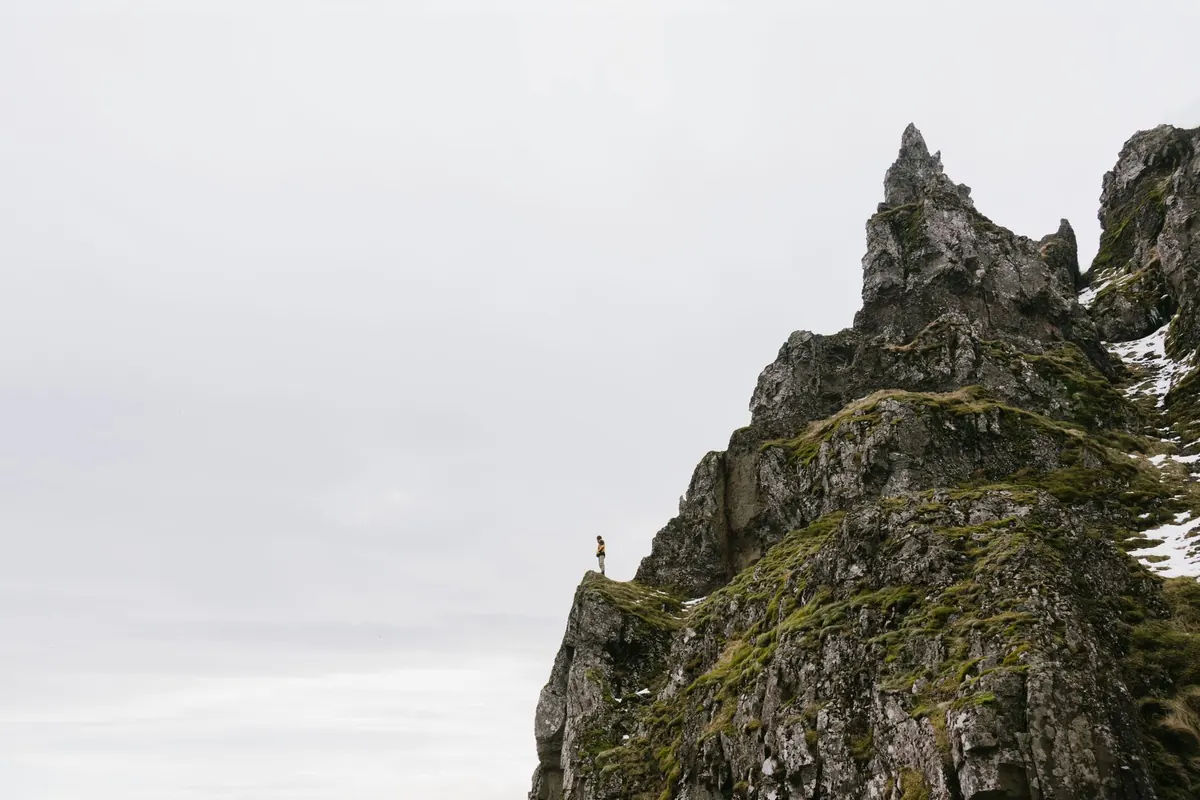
Photo: ArtHouse Studio / Pexels