The Best European Cities for a 48-Hour Winter City Break
Winter city breaks work best when you stop pretending you'll be outside all day. Daylight is short, terraces are empty, and the best hours often happen indoors — in a museum, a bathhouse or a coffee house with fogged-up windows — before a walk through streets that are far quieter than they were in July.
Forty-eight hours is an odd amount of time. Too short for a country, just right for one compact centre, provided you don't spend it crossing the city twice. Every place below has a walkable core, strong indoor attractions and a winter calendar that doesn't depend on sunshine. Late January and February are usually the sweet spot: the festive crowds have gone home, hotel rates soften and you get the city more or less to yourself.
Prague: markets, beer halls and a centre you can cross in half an hour
Prague's Old Town is compact enough to walk from Wenceslas Square to the castle in under an hour, which matters when your usable daylight runs roughly from nine to five. The Christmas market on Old Town Square stays open into early January; after that the wooden stalls vanish, but the architecture, the beer halls and the museums don't.
Build each day around one indoor anchor: the Mucha Museum or the National Museum near the top of Wenceslas Square, the Kampa Museum by the river, or DOX in Holešovice if you want contemporary art and a reason to ride the tram. Then fill the gaps with a long lunch of roast pork and dumplings, and a walk over Charles Bridge at first light, when it is genuinely empty.
- Tram tickets are timed and must be validated in the yellow machine on board. A 24-hour pass pays for itself if you move between districts.
- Beer halls such as Lokál and U Fleků fill up after seven, so eat early or book.
- Keep small change for market stalls and for the trdelník you'll inevitably buy.
Vienna: coffee houses, grand museums and markets on the doorstep
Vienna is the easiest of these cities to enjoy in bad weather. The Kunsthistorisches Museum, the Albertina and the Belvedere are all within a short tram ride of the centre, and the MuseumsQuartier gives you somewhere to sit outside with a drink under heat lamps when you need a break between collections.
Advent markets at Rathausplatz, Schönbrunn and Spittelberg are the big December draw, and most pack up shortly after New Year. In January and February you swap mulled wine for concert halls — standing tickets at the Musikverein or Konzerthaus are the classic budget move — and long afternoons in Café Sperl, Café Hawelka or Café Central. Take the Ringstrasse trams, numbers 1 and 2, for a cheap sightseeing loop when your feet are done.
One caution: museums across much of Europe close one weekday, often Monday. Check before you build a day around a single gallery.
Budapest: thermal baths, ruin bars and two cities in one
Buda sits on the hills, Pest spreads across the plain, and the river between them is best crossed on the Chain Bridge at dusk. The reason to come in winter, though, is the baths. Széchenyi in City Park keeps its outdoor pools open in the cold, steam rising off the water while snow settles on the rim. Rudas and Gellért offer smaller, older, more atmospheric alternatives.
Book a weekend slot in advance, bring flip-flops and a towel, and expect to lose two hours happily. Elsewhere, the Great Market Hall is good for lunch upstairs, the ruin bars of District VII are worth one late night, and the House of Terror is a sobering hour that stays with you. Parliament tours need booking ahead.
Copenhagen: candles, design and somewhere warm to land
Copenhagen in winter is a study in making the indoors appealing. Torvehallerne, the two glass food halls near Nørreport, is the perfect lunch stop. The National Museum and SMK, the national gallery, are both substantial enough to swallow a wet afternoon, and Rundetårn gives you a view without a long climb.
If you're there in December, Tivoli's Christmas season and the lights along Strøget are the main event, and the National Museum's collection is a solid fallback. Whenever you visit, the Louisiana Museum of Modern Art, a short train ride north with a sea view from the café, is worth half a day.
Locals cycle all year, but icy lanes are not the place to learn. Walk instead, and budget accordingly: Copenhagen is expensive, so a supermarket lunch plus one proper dinner a day keeps the trip affordable.
Edinburgh: wind, stone and a very good museum
Edinburgh is cold, often wet and occasionally glorious. The Christmas market in Princes Street Gardens usually runs from mid-November into early January, with an ice rink and a big wheel. The National Museum of Scotland is free and enormous, which makes it the best rainy-day insurance in the city, and the Scottish National Gallery and the Real Mary King's Close tours are close behind.
On a clear morning, climb Arthur's Seat or walk the Royal Mile down to Holyrood, then retreat to a pub in the Old Town. Hogmanay is one of Europe's biggest New Year parties and needs booking months ahead; if crowds aren't the appeal, come in late January instead. A waterproof shell beats an umbrella, which the wind off the Forth will simply invert.
Two compact wildcards: Bruges and Tallinn
Bruges
You can cross the medieval centre in twenty minutes, which makes Bruges ideal for a short break. The Markt hosts a small market and ice rink, the Groeningemuseum holds the Flemish Primitives, and the Sint-Janshospitaal displays Memling's shrines in a building that feels older than most countries. Add chocolate, beer and a canal boat if the water isn't frozen, plus an easy train ride to Ghent if you want a second city.
Tallinn
Tallinn's Raekoja plats market is one of the prettiest in Europe, ringed by medieval gables and lit well into the dark afternoon. Walk the walls, look into Alexander Nevsky Cathedral, then head to Telliskivi and Kalamaja for food, design shops and a proper Estonian sauna. It gets genuinely cold, so pack accordingly, and consider the two-hour ferry to Helsinki if you have a spare day.
Making 48 hours add up
- Pick one anchor per day. A museum, a bath or a concert. Book timed entry where it's offered, because winter queues are shorter but not gone.
- Front-load the daylight. In December, dark arrives by half four in most of these cities. Do your walking and viewpoints before lunch, and save interiors for after.
- Check closing days. Verify opening hours the week you travel; seasonal schedules change and renovation closures happen.
- Eat lunch at markets and food halls. It's faster, cheaper and warmer than a sit-down restaurant, and it frees your evening for one good dinner.
- Pack for wet cold, not dry cold. Layers, a hat, gloves and shoes with grip. Icy pavements in Prague, Budapest and Tallinn are no joke.
- Leave an hour unscheduled. The best part of a winter city break is often the unplanned stop in a warm room while the rain passes.
If cold weather aggravates a health condition, or you're travelling with young children or older relatives, talk to a doctor before booking a deep-winter trip. And read the small print on your travel insurance: winter delays and cancellations are common, and a policy that covers them is worth the few extra pounds.
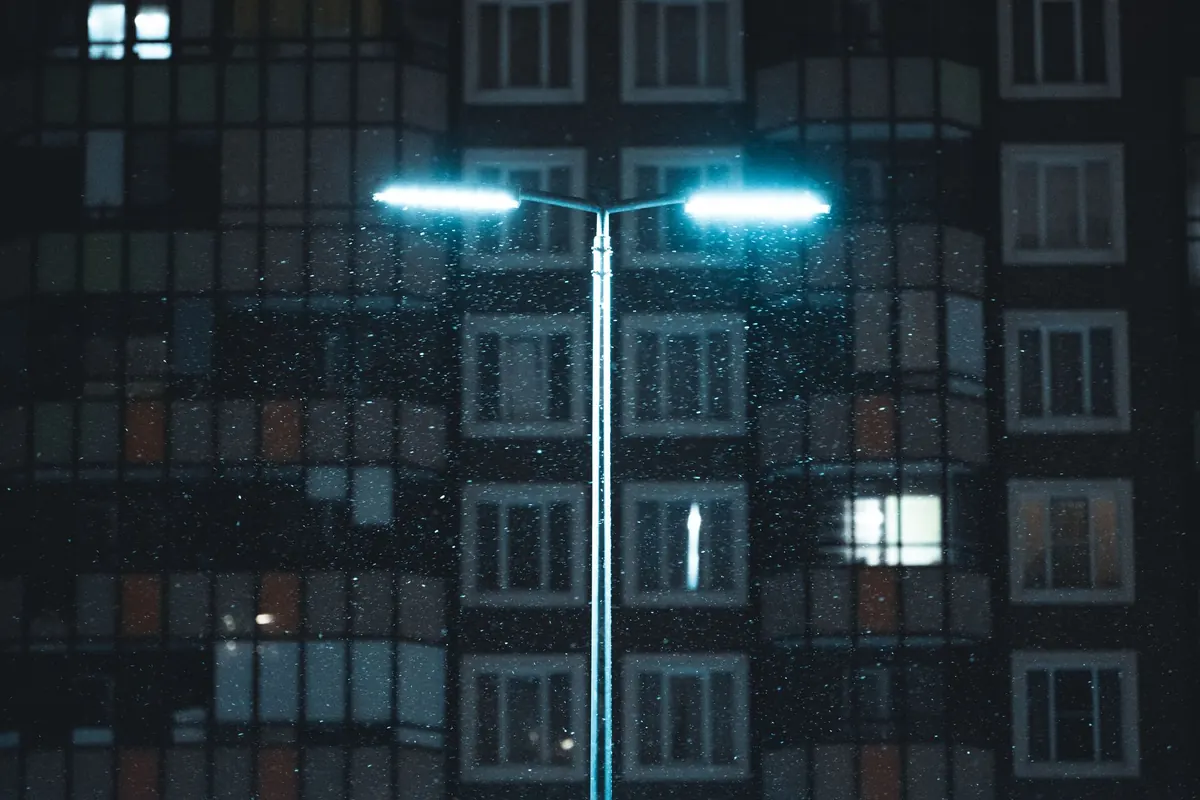
Photo: Konstantin Finyuk / Pexels